
THE MOGUL EDIT
She didn’t stay where she was celebrated. She went where she could grow.
Rihanna didn’t build two billion-dollar companies by outworking the industry. She stopped competing and started growing. And there’s a difference.
In 2016, she released her eighth studio album, Anti. Nine Grammy Awards. 250 million records sold. A career that had dominated global music for over a decade. And then, at the absolute top of her game, she walked away from music. Not because she’d failed. Because she’d outgrown it.
The world waited for the album. She was building something else entirely.
Growth meant being uncomfortable. It meant stepping into rooms where everyone knew the singer. But they had yet to meet the founder.
The Gap Nobody Else Would See
Rihanna grew up in Barbados. She grew up surrounded by skin tones that the Western beauty industry barely acknowledged. She grew up loving makeup — and spending years unable to find her shade in a market worth hundreds of billions of dollars.
Before September 2017, the prestige beauty industry operated on a quiet agreement that nobody discussed publicly. Foundation shade ranges topped out around 20 options. Women with deeper skin tones mixed products, adjusted with concealer, or simply accepted that the industry was not designed for them.
Rihanna saw it clearly. And she decided to do something about it.
Fenty Beauty wasn’t a business move. It was personal. A woman who loved makeup her entire life, who could never find her shade, who looked at a $650 billion industry and said — you’re ignoring the women I know. When Fenty Beauty launched with 40 foundation shades, the industry treated it as revolutionary. Women of colour treated it as overdue.
The brand achieved $100 million in revenue within its first two months — an unprecedented launch for a celebrity beauty line. $570 million in year one. Not because she was Rihanna. Because she was right.
The transformation from pop star to beauty mogul represents one of the most successful pivots in entertainment history.
Within months, the industry scrambled to respond. Maybelline added shades. Covergirl added shades. The beauty world had a name for what happened — they called it the Fenty Effect. Adding shades is a product decision. Building a brand around the idea that every consumer deserves to be seen is an identity decision. The industry copied the product. It could not copy the conviction.
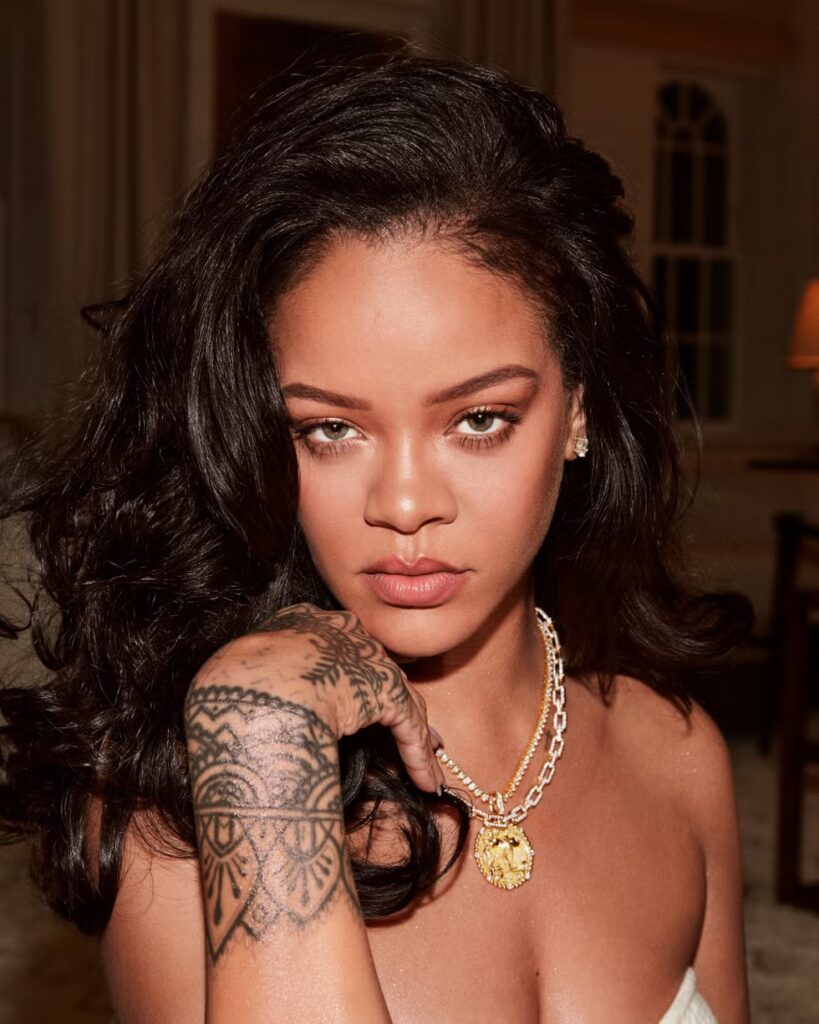
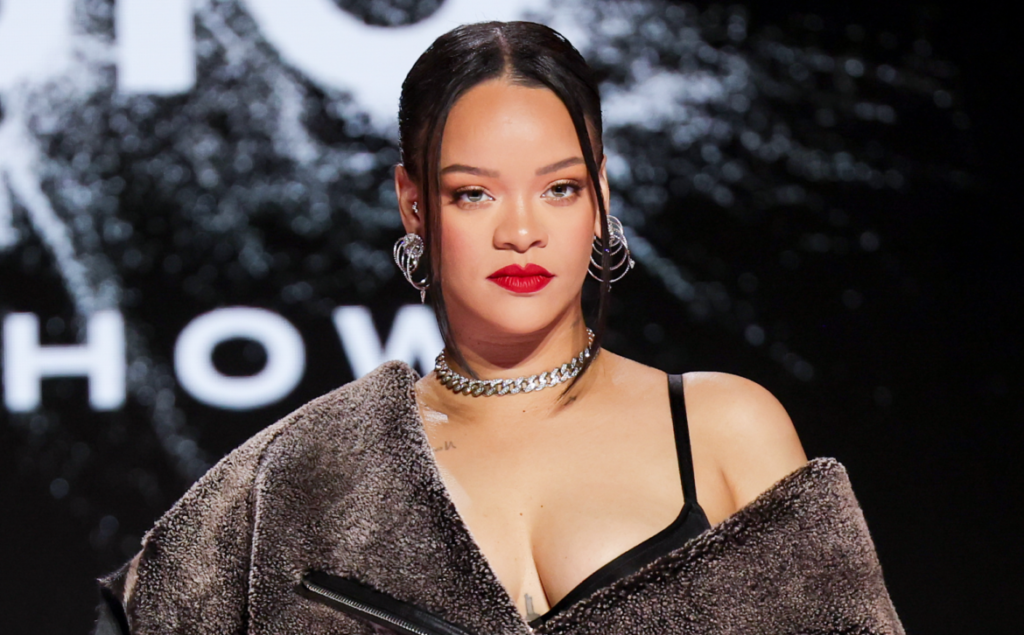
Photo credit – Christopher Polk
Then She Did It Again
In 2018, Rihanna launched Savage X Fenty. And if you know Rihanna, it makes perfect sense. She is captivating, bold, unapologetic. And she put that energy into a brand that said — every woman has that side. Let me help you feel your best as you explore it.
Savage X Fenty celebrates confidence, individuality, and inclusivity — intentionally designed for every body, every mood, and every occasion. The first collection sold out in thirty days.
In 2021, Savage X Fenty reached a valuation above $1 billion after raising a $115 million Series B funding round, reporting revenue growth of more than 200%. The brand went head-to-head with Victoria’s Secret at a time when the incumbent giant was losing both market share and cultural relevance. It wasn’t even a contest.
Rihanna has become the first Black woman to build two billion-dollar companies. Fenty Beauty and Savage X Fenty — two separate empires, built on the same principle. See who the industry is ignoring. Serve them first. Build accordingly.
The Business of Ownership
What separates Rihanna from every other celebrity who has put their name on a product is this — she didn’t just endorse. She owned.
The joint venture structure meant Rihanna did not just endorse Fenty Beauty. She co-owns it. Every dollar of brand value that accumulates flows 50% to her. She understood from the beginning that a royalty and an ownership stake are not the same thing. One makes you comfortable. The other makes you a billionaire.
In early 2017, Harvard University awarded Rihanna its Humanitarian of the Year honour for her charitable work through the Clara Lionel Foundation — an organisation focused on education and emergency response programmes globally, named after her grandparents.
Not every venture hit. Fenty Maison, her LVMH-backed fashion house, launched in May 2019 and closed in February 2021. It was the first new fashion house LVMH had launched since Christian Lacroix in 1987. She dared to try. She leveraged her expertise, her connections, and her natural instinct for what women actually want. And when it didn’t work, she moved on without apology.
Her net worth in 2026 is estimated at $1.4 billion — stemming primarily from her business ventures rather than album sales or concert tours. She hasn’t released an album since 2016. Her wealth has quadrupled since then.
The Mogul Move
She didn’t stay where she was celebrated. She went where she could grow.
And the winning formula — the one the industry still hasn’t fully understood — was to add value where the industry said there was none. To see the women being ignored and say: I see you. I built this for you.
That is not a marketing strategy. That is a world view. And it is worth 1.4 billion dollars.
Rihanna didn’t outwork the industry. She outseen it.
That’s not a pop star. That’s a mogul.
The Mogul Edit is Mogul Magazine’s ongoing series honouring moguls who didn’t just succeed — they redefined what success looks like
Image Left – Courtesy of Fenty Beauty


